Comparing Global and Indian Healthcare Technology Trends: Key Takeaways


The landscape of healthcare technology is evolving rapidly, and understanding the differences between global and Indian trends offers valuable insights. Both arenas are witnessing significant advancements, yet each has its unique trajectory shaped by local needs and challenges.
Telemedicine: A Global and Indian Perspective
Telemedicine has become a cornerstone of modern healthcare, especially in the wake of the COVID-19 pandemic. Globally, telemedicine is being integrated with artificial intelligence (AI) to enhance diagnostic accuracy and patient care. In India, telemedicine primarily focuses on bridging the gap between rural and urban healthcare, offering access to specialists and reducing travel burdens for patients.
While global markets are experimenting with AI-driven chatbots and remote monitoring tools, India's focus remains on expanding reach and affordability through telehealth platforms.

Wearable Technology and Health Monitoring
Wearable technology is another area where global trends are shaping healthcare. Worldwide, there's a significant push towards utilizing wearables for continuous health monitoring, fitness tracking, and chronic disease management. These devices are becoming more sophisticated, equipped with sensors that provide real-time health data.
In India, the adoption of wearable technology is on the rise, but the focus is often on affordability and accessibility. Indian companies are working on cost-effective solutions that cater to the local population's needs, making basic health monitoring accessible to a larger audience.
Data-Driven Healthcare: The Role of Big Data
Big data analytics is revolutionizing healthcare by enabling personalized medicine and predictive analytics. Globally, healthcare providers are investing in data analytics to enhance patient outcomes, streamline operations, and reduce costs. The integration of electronic health records (EHR) and data analytics is becoming more prevalent worldwide.

In India, the use of big data is gradually increasing. However, challenges such as data privacy, infrastructure, and training are more pronounced. Indian healthcare providers are beginning to see the potential of data-driven insights but are still in the early stages of implementation.
Artificial Intelligence in Diagnostics
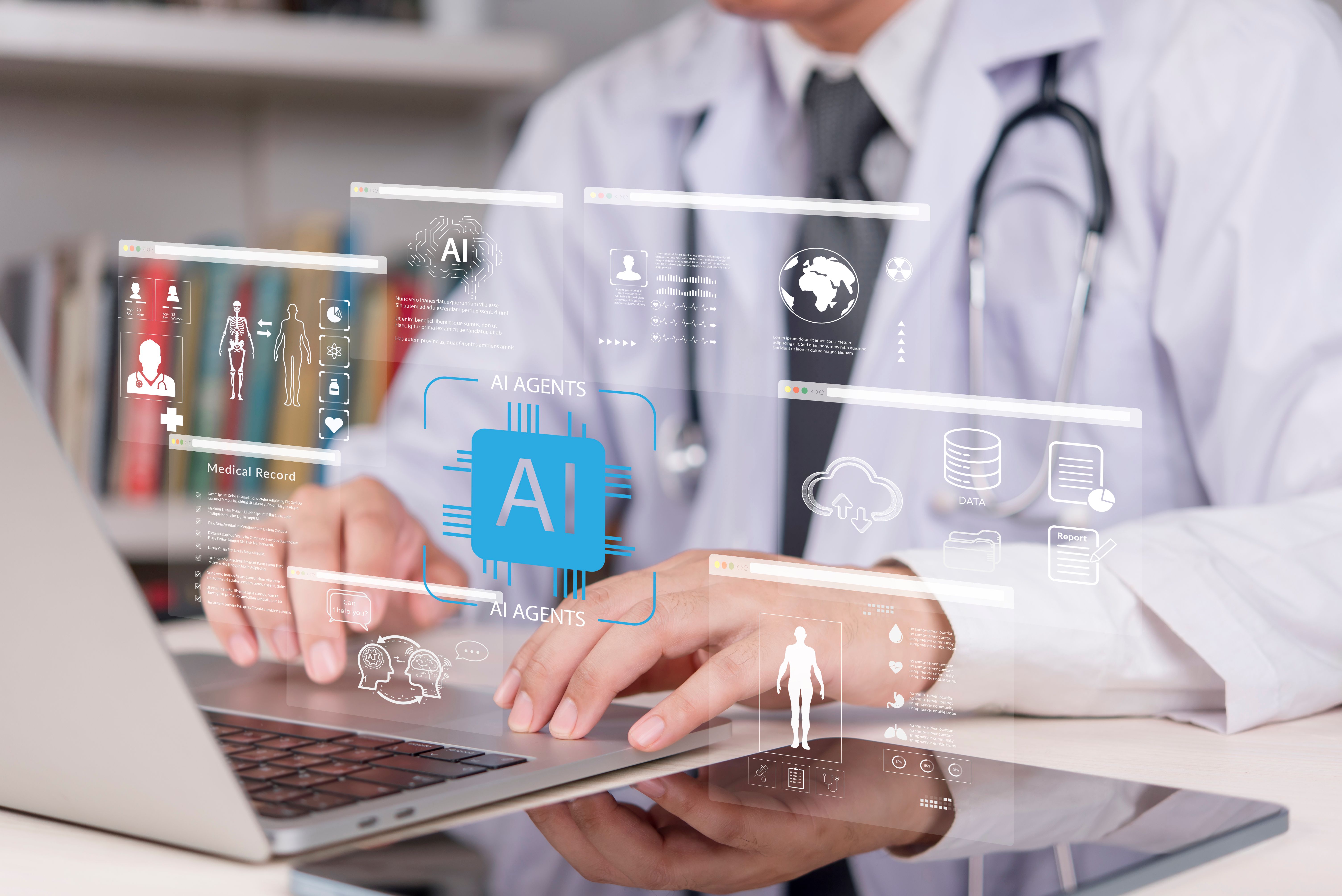
Artificial intelligence has made significant strides in diagnostics, offering tools that assist in early detection and treatment planning. Globally, AI is being used to analyze medical images, predict patient outcomes, and even suggest treatment options.
In the Indian context, AI is gaining traction primarily in urban centers where access to technology is better. Indian startups are innovating by developing AI tools tailored to local needs, such as detecting diseases prevalent in the region.
Challenges and Opportunities
Both global and Indian healthcare sectors face unique challenges and opportunities. Globally, the focus is on integrating advanced technologies while maintaining data security and patient privacy. India, on the other hand, grapples with infrastructure limitations and a diverse population with varying healthcare needs.
Opportunities abound in both arenas. For global markets, the challenge lies in scaling innovations, while India has the chance to leapfrog by adopting and adapting global technologies to meet local demands effectively.
In conclusion, the healthcare technology landscape is rich with potential. By understanding and comparing global and Indian trends, stakeholders can strategize effectively to harness these advancements for improved healthcare outcomes worldwide.