Comparing HL7 with Other Healthcare Data Standards


Introduction to Healthcare Data Standards
In the rapidly evolving world of healthcare, data standards play a crucial role in ensuring seamless communication and interoperability between systems. Among the various standards available, Health Level Seven International (HL7) stands out as one of the most widely used frameworks. However, it is essential to compare HL7 with other existing standards to understand its strengths and limitations.
What is HL7?
HL7 is a set of international standards for the exchange, integration, sharing, and retrieval of electronic health information. It facilitates the communication between different healthcare systems, ensuring that patient information is accurately and efficiently transmitted. The primary goal of HL7 is to improve care delivery and optimize workflow efficiency.
Key Features of HL7
HL7 is known for its flexibility and adaptability. It supports a wide range of healthcare applications and offers various versions to cater to different needs. Among its most notable features are:
- Interoperability between diverse healthcare systems
- Support for both clinical and administrative data
- Comprehensive framework for data exchange
Other Prominent Healthcare Data Standards
While HL7 is a leading standard, several other frameworks are also used in healthcare. These include:
FHIR (Fast Healthcare Interoperability Resources)
FHIR is a modern standard developed by HL7 itself. It is designed to provide a more streamlined approach to data exchange compared to older HL7 versions. FHIR leverages web technologies like RESTful APIs and JSON, making it more accessible and developer-friendly.

DICOM (Digital Imaging and Communications in Medicine)
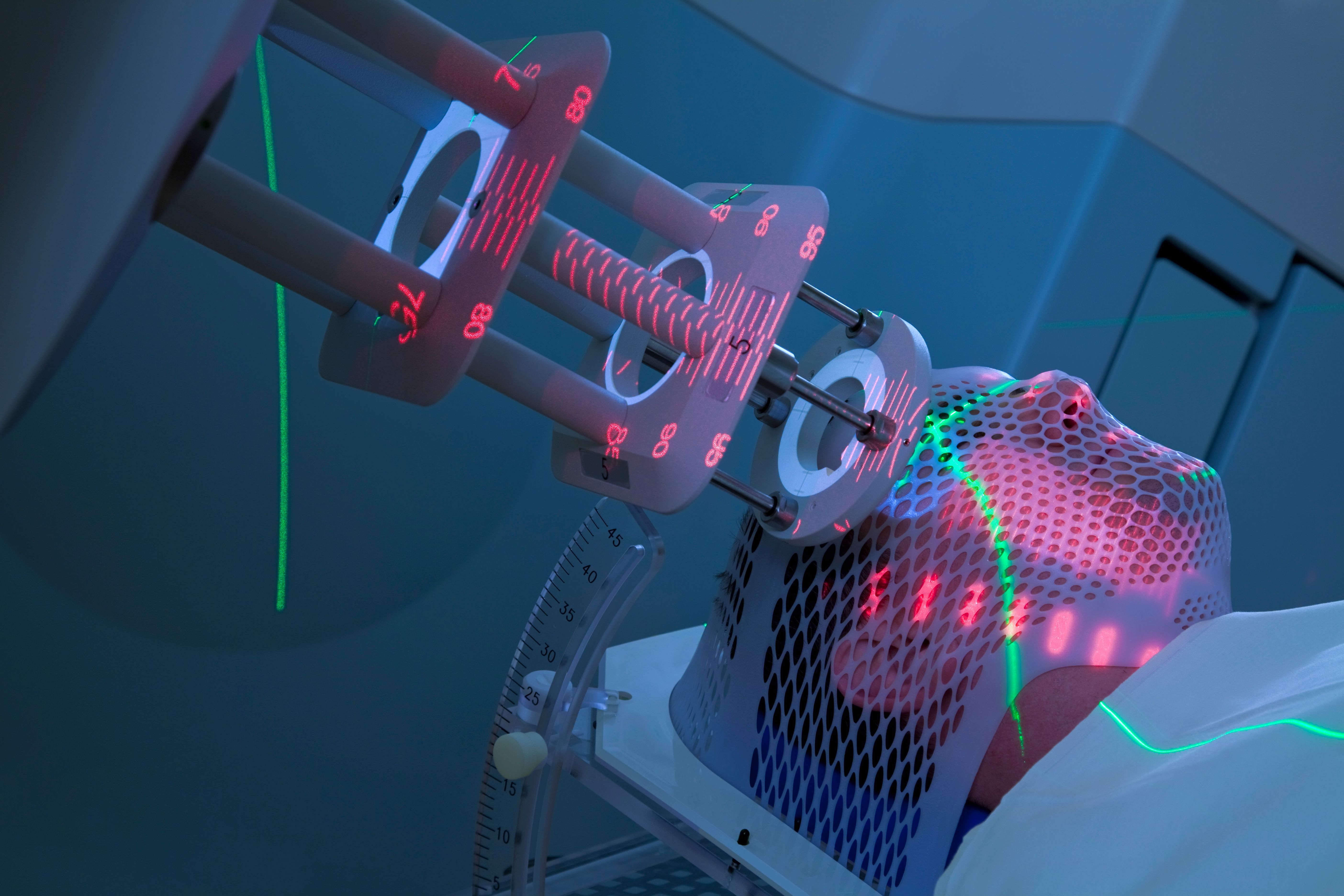
DICOM is the standard for handling, storing, printing, and transmitting information in medical imaging. Unlike HL7, which focuses on textual data exchange, DICOM is specifically designed for radiology, enabling efficient management of images and associated data.
SNOMED CT (Systematized Nomenclature of Medicine—Clinical Terms)
SNOMED CT is a comprehensive clinical terminology standard. It supports the consistent representation of clinical content in electronic health records (EHRs), allowing for enhanced data analysis and interoperability.
Comparing HL7 with Other Standards
Each healthcare data standard has its unique attributes and use cases. HL7 is primarily focused on messaging and data integration, making it ideal for scenarios where communication between different healthcare systems is crucial. In contrast, FHIR's modern approach and use of web technologies cater to a more agile development environment.
DICOM's specialization in medical imaging makes it indispensable in radiology departments, while SNOMED CT's rich clinical terminology supports detailed data analysis. When selecting a standard, healthcare organizations need to consider their specific needs, existing infrastructure, and future goals.
Conclusion
Healthcare data standards like HL7, FHIR, DICOM, and SNOMED CT each offer distinct advantages. By understanding the differences and applications of these standards, healthcare providers can make informed decisions to improve data interoperability and patient care. The choice of standard should align with the organization's operational needs and strategic objectives.