Debunking Myths About Healthcare Technology in India


Introduction
Healthcare technology in India is evolving rapidly, yet several myths persist that can hinder its adoption and development. These misconceptions often create unnecessary barriers to progress. In this blog post, we aim to debunk some common myths about healthcare technology in India.
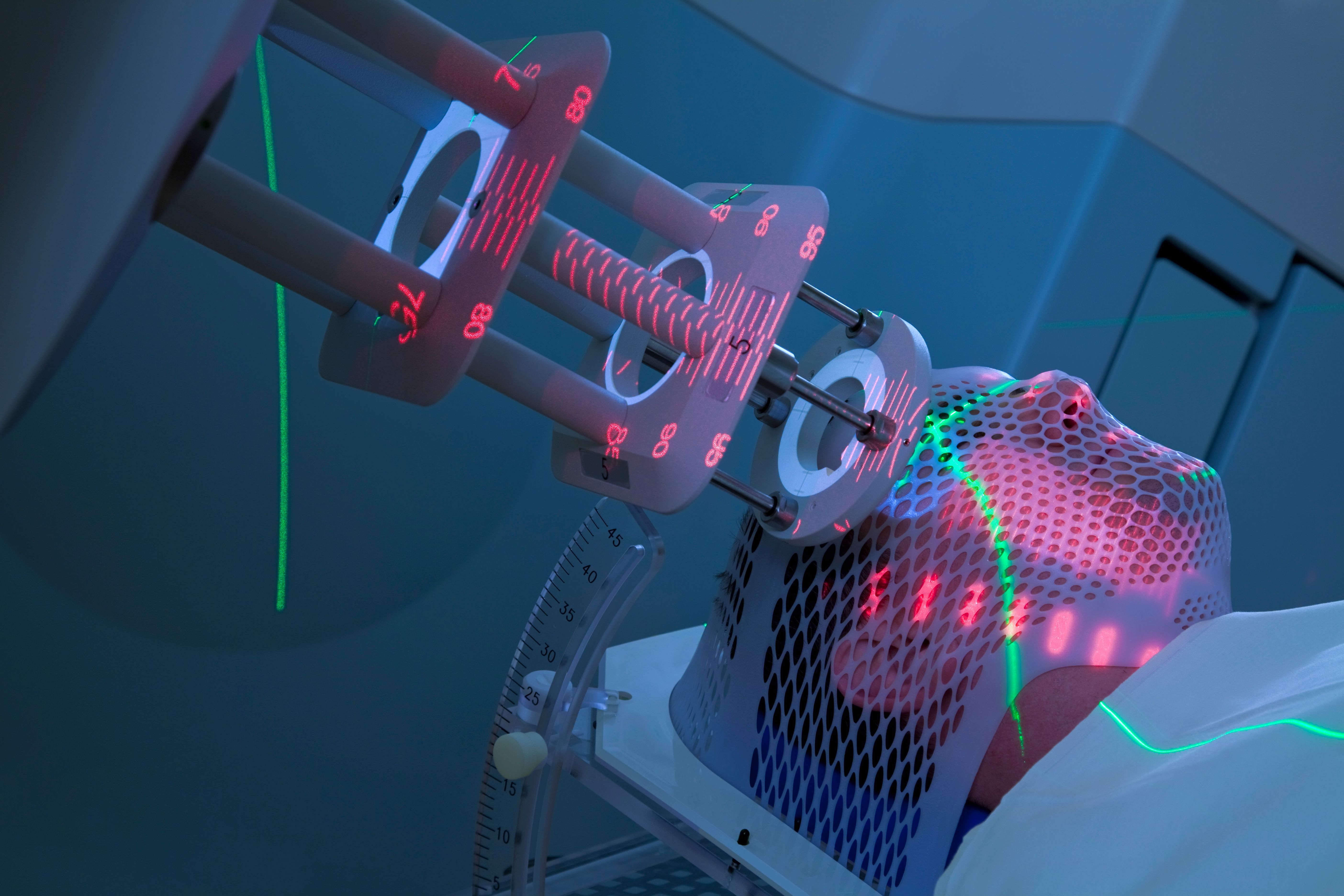
Myth 1: Healthcare Technology is Only for Urban Areas
A common belief is that healthcare technology is primarily beneficial for urban populations. However, this is far from the truth. With the advent of telemedicine and mobile health (mHealth) solutions, remote and rural areas are increasingly gaining access to healthcare services. Innovations like portable diagnostic devices and teleconsultations are bridging the gap between urban and rural healthcare services.
Programs and initiatives are being launched to enhance healthcare access in remote regions, driven by government and private sector efforts. This ensures that technology is not confined to urban areas alone.
Myth 2: Technology is Too Expensive
Another prevalent myth is that integrating technology into healthcare is prohibitively expensive. While some advanced technologies can be costly, many solutions are designed to be cost-effective. Open-source software, affordable diagnostic tools, and scalable telehealth platforms are making healthcare technology more accessible and affordable for all.

Moreover, the long-term benefits of investing in healthcare technology, such as improved patient outcomes and operational efficiencies, often outweigh the initial costs.
Myth 3: Technology Replaces Human Interaction
There is a fear that technology will replace the human touch in healthcare. In reality, technology is meant to complement healthcare providers, not replace them. It enhances the ability of healthcare professionals to deliver timely and accurate care by providing better data and insights.
For instance, Electronic Health Records (EHRs) streamline data management, allowing doctors to focus more on patient care rather than paperwork. This integration creates a more efficient healthcare system where technology and human expertise work hand in hand.

Myth 4: Data Security is a Major Issue
Concerns about data security and privacy often deter the adoption of healthcare technology. While these concerns are valid, advancements in cybersecurity are addressing these issues effectively. Encryption, secure cloud storage, and stringent data protection laws are in place to safeguard patient information.
Healthcare providers are increasingly adopting robust security measures to ensure the confidentiality and integrity of patient data, thereby building trust in digital healthcare solutions.
Conclusion
Debunking these myths is essential for the continued growth and success of healthcare technology in India. As technology becomes more integrated into healthcare systems, it is crucial to focus on the benefits and opportunities it presents. By understanding and addressing these misconceptions, we can pave the way for a healthier and more technologically advanced future for all.