Gen AI vs Traditional AI in Healthcare: A Detailed Comparison


Introduction to AI in Healthcare
Artificial Intelligence (AI) has revolutionized various sectors, and healthcare is no exception. In recent years, two distinct branches of AI have emerged: Generative AI (Gen AI) and Traditional AI. Each offers unique benefits and challenges. Understanding these differences is crucial for healthcare professionals seeking to integrate AI into their practices effectively.
What is Traditional AI?
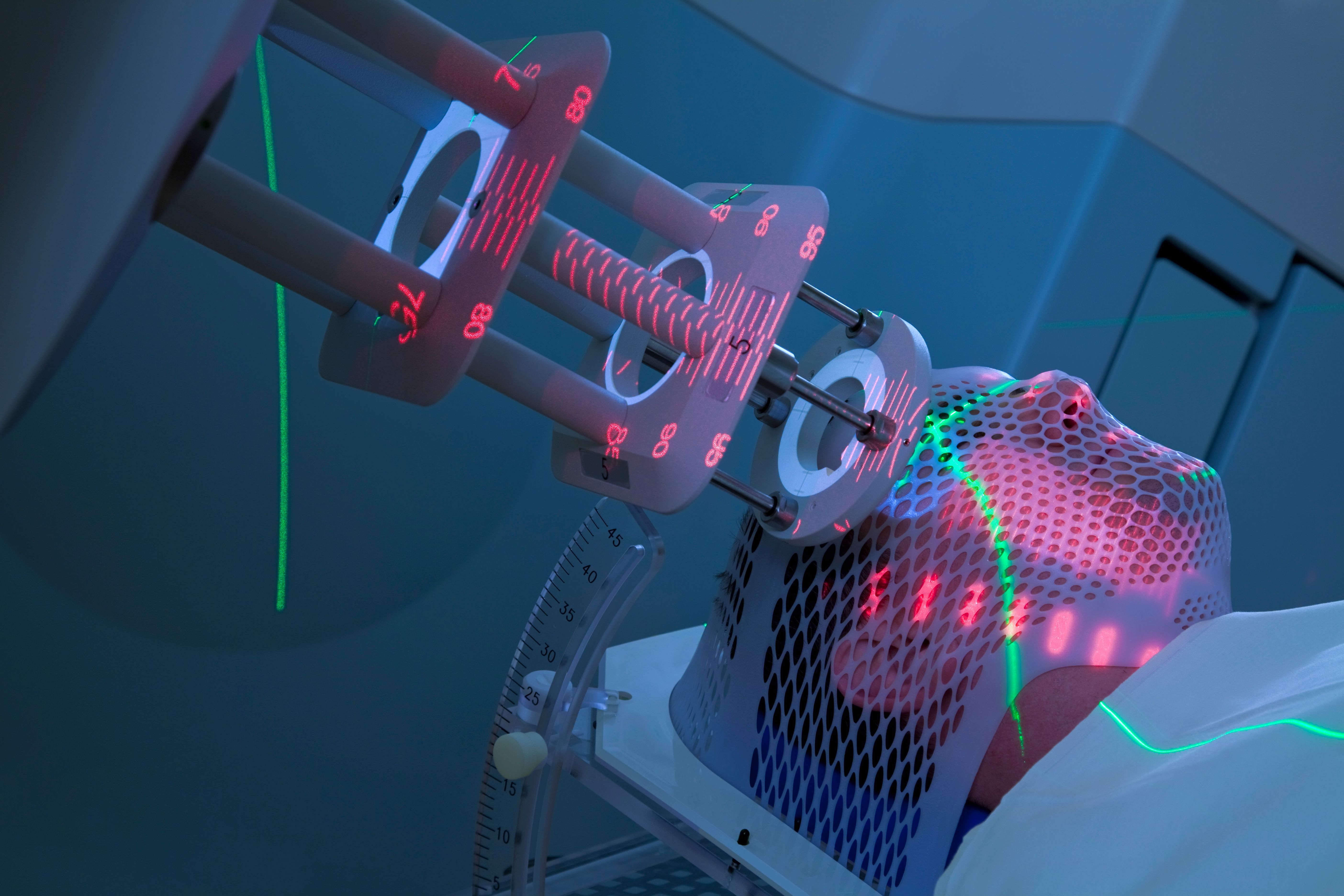
Traditional AI encompasses techniques and models that focus on specific tasks. These include rule-based systems, decision trees, and machine learning models that are trained on large datasets to make predictions or classifications. Traditional AI is typically designed for efficiency and accuracy in well-defined tasks.
In healthcare, Traditional AI is often used for diagnostic support, patient monitoring, and data management. Its strength lies in processing structured data, such as lab results and imaging scans, to assist clinicians in decision-making.
The Rise of Generative AI
Generative AI, on the other hand, is designed to create new content. It uses algorithms like Generative Adversarial Networks (GANs) and transformers to generate data, images, and even text. In healthcare, Gen AI can simulate complex biological processes, create synthetic patient data for research, and assist in drug discovery.
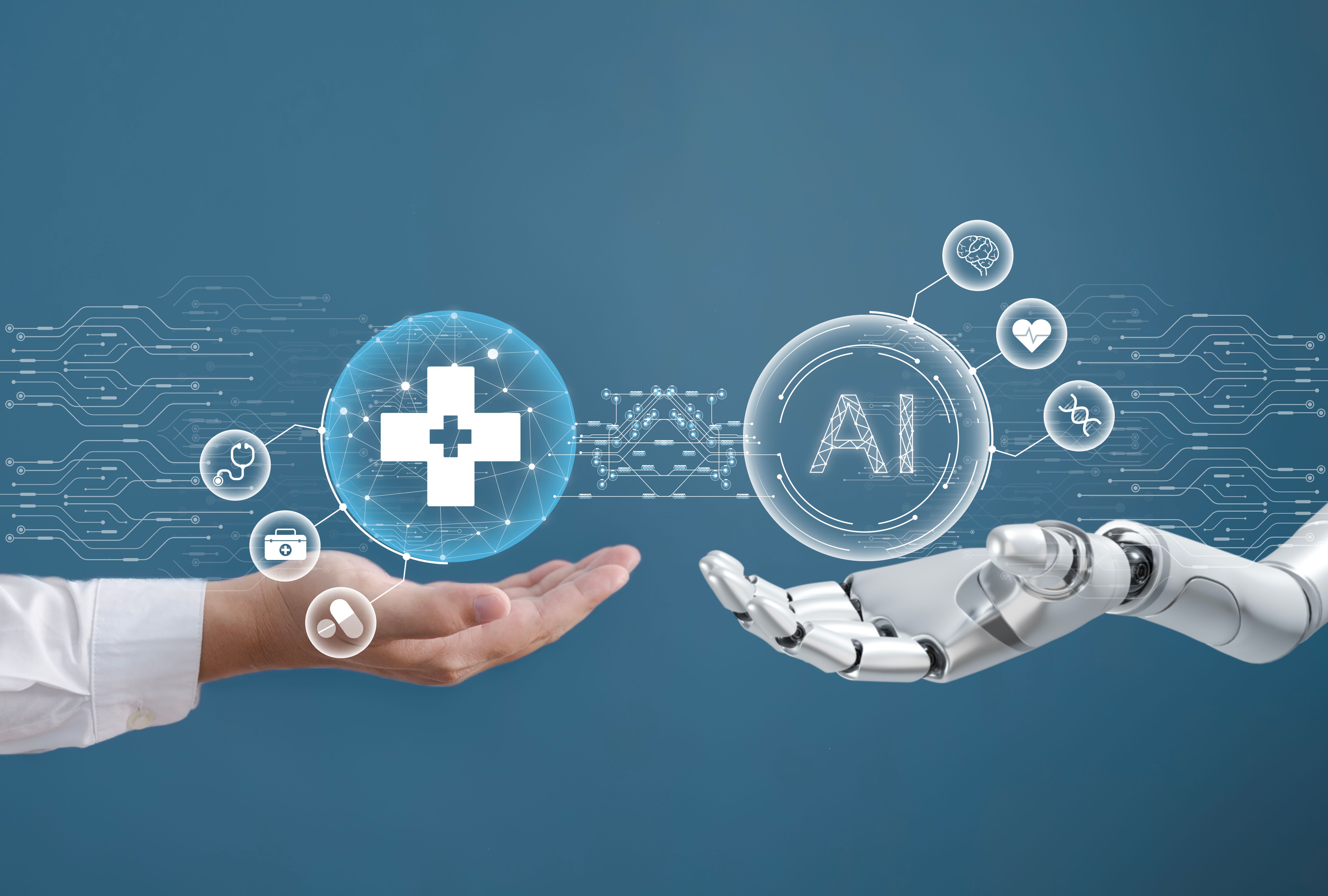
A significant advantage of Gen AI is its ability to handle unstructured data, such as natural language and raw images, making it valuable for applications like personalized medicine and patient communication.
Comparing the Applications
Diagnostic Support
Traditional AI excels in diagnostic imaging, where it can quickly analyze X-rays and MRIs to identify anomalies. Gen AI, however, extends this capability by generating potential scenarios or simulating the progression of diseases, providing a broader context for diagnosis.
Drug Discovery
Both AI types contribute to drug discovery, but in different ways. Traditional AI aids in analyzing chemical compounds and predicting their interactions. Gen AI, meanwhile, can generate new molecular structures, accelerating the discovery of novel drugs.

Challenges and Limitations
While both AI types offer significant advancements, they are not without challenges. Traditional AI models require large, well-structured datasets and can struggle with adaptability. Gen AI, though more flexible, often demands high computational resources and poses ethical concerns, especially in generating realistic but synthetic data.
The Future of AI in Healthcare
Looking forward, the integration of Gen AI and Traditional AI in healthcare promises to enhance patient outcomes and streamline processes. The combination of both technologies could lead to more robust and versatile solutions, addressing both current limitations and future needs.
As AI continues to evolve, ongoing research and collaboration between technologists and healthcare professionals will be crucial to unlock its full potential, ensuring both safety and efficacy in patient care.