Generative AI in Healthcare: A Guide to Implementation and Benefits


Introduction to Generative AI in Healthcare
Generative AI is transforming the healthcare industry by offering innovative solutions to complex problems. From personalized medicine to efficient administrative processes, the potential applications are vast and varied. This guide explores the implementation and benefits of generative AI in healthcare, highlighting how it is reshaping the landscape.
Healthcare providers are increasingly adopting AI technologies to enhance patient care and streamline operations. By leveraging AI's capabilities, they can offer more accurate diagnoses and customized treatment plans, ultimately improving patient outcomes.
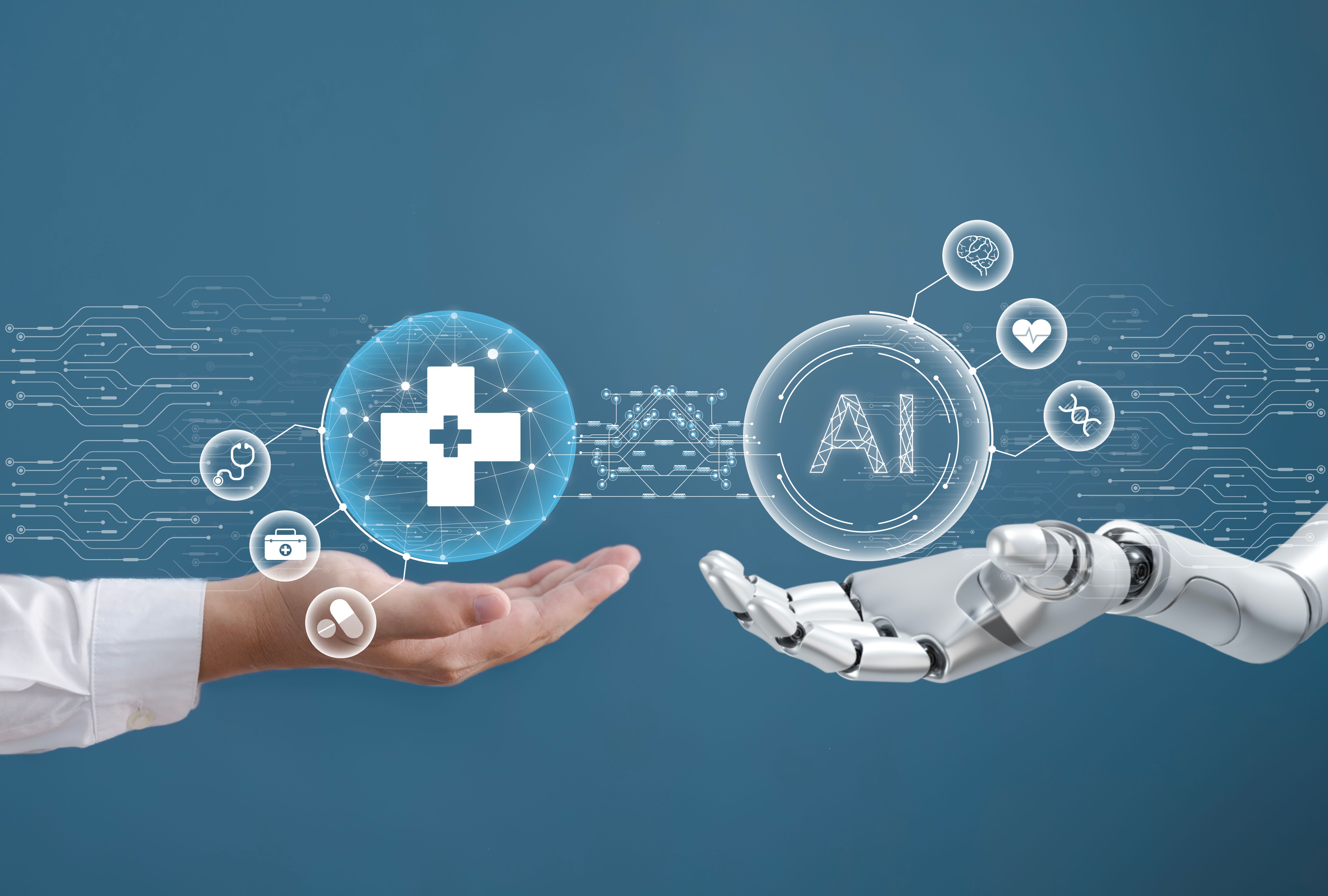
Implementing Generative AI in Healthcare
Identifying Suitable Applications
Successful implementation begins with identifying areas where generative AI can make a significant impact. Key applications include:
- Medical imaging analysis
- Drug discovery and development
- Predictive analytics for patient management
Ensuring Data Privacy and Security
Data privacy and security are paramount in healthcare. Implementing AI solutions requires stringent measures to protect sensitive patient information. This involves using advanced encryption methods and complying with regulations such as HIPAA.

Benefits of Generative AI in Healthcare
Enhanced Diagnostic Accuracy
Generative AI aids in analyzing complex medical data, offering more precise diagnostic outcomes. For instance, AI-driven tools can detect anomalies in medical images with remarkable accuracy, assisting radiologists in identifying conditions like tumors at an early stage.
This level of precision not only improves patient care but also reduces the likelihood of misdiagnoses, which can lead to unnecessary treatments and increased healthcare costs.

Streamlined Administrative Processes
AI solutions can automate a range of administrative tasks, from scheduling appointments to managing electronic health records. This automation allows healthcare professionals to focus more on patient care rather than paperwork.
By improving operational efficiency, healthcare facilities can reduce waiting times, enhance patient satisfaction, and ultimately lower operational costs.
Challenges and Considerations
While the benefits are substantial, implementing generative AI in healthcare comes with challenges. These include:
- Integration with existing systems
- High initial investment costs
- Need for continuous training and updates
Addressing these challenges requires strategic planning and collaboration between technology providers and healthcare institutions.

Conclusion
Generative AI holds immense promise for the healthcare sector. By enhancing diagnostic accuracy, streamlining processes, and personalizing patient care, it offers a pathway to a more efficient and effective healthcare system. As technology continues to evolve, healthcare providers must embrace these innovations while carefully managing the associated challenges.