Leveraging Healthcare IT for Better Patient Data Management


Introduction to Healthcare IT
In recent years, the healthcare industry has experienced a significant transformation with the integration of Information Technology (IT). Leveraging Healthcare IT for better patient data management is not just a trend but a necessity for modern healthcare systems. It enhances the efficiency, accuracy, and accessibility of patient information, ultimately leading to improved patient care.
Healthcare IT encompasses various technologies like Electronic Health Records (EHRs), telemedicine, and data analytics. These tools help in collecting, storing, and analyzing patient data effectively. As healthcare providers aim for more personalized care, the role of IT in managing patient data becomes increasingly crucial.

Benefits of Healthcare IT in Data Management
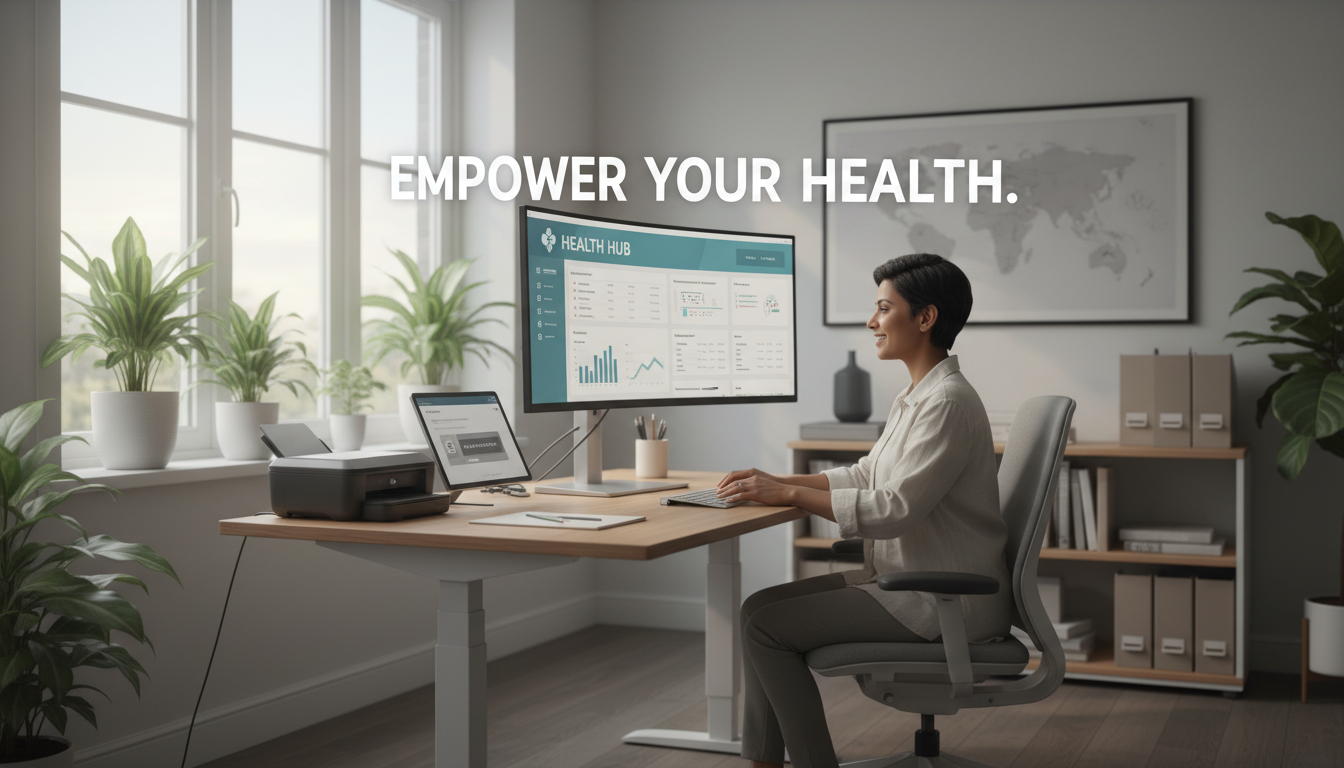
One of the primary benefits of Healthcare IT is the streamlined management of patient information. By digitizing patient records, healthcare providers can easily access and update data, reducing the risk of errors and improving communication among medical staff. This digital transformation leads to more coordinated and efficient care.
Additionally, IT solutions offer robust data security measures. With the implementation of encryption and secure access protocols, patient data is protected from unauthorized access and breaches, ensuring confidentiality and compliance with regulations like HIPAA.
Improving Patient Outcomes
Healthcare IT plays a pivotal role in enhancing patient outcomes. By utilizing data analytics, healthcare providers can identify trends and patterns in patient data, leading to more informed decision-making. Predictive analytics can also help in anticipating patient needs and potential health issues, allowing for proactive interventions.
Moreover, telemedicine, an integral part of Healthcare IT, provides patients with greater access to care. Through virtual consultations, patients can receive medical advice and treatment without the need for physical visits, making healthcare more accessible and convenient.

Challenges in Implementing Healthcare IT
Despite its benefits, the implementation of Healthcare IT is not without challenges. One major obstacle is the high cost of technology adoption and maintenance. Many healthcare providers struggle with the financial investment required for comprehensive IT solutions.
Another challenge is the resistance to change from healthcare professionals accustomed to traditional methods. Training and change management are essential to ensure a smooth transition to digital systems. Additionally, interoperability between different systems can be a hurdle, necessitating standardized protocols and integrations.
Future of Healthcare IT
The future of Healthcare IT looks promising, with advancements in artificial intelligence, machine learning, and blockchain technology. These innovations are expected to further enhance patient data management by offering more sophisticated, secure, and efficient systems.
As technology continues to evolve, healthcare providers must stay informed about emerging trends and adopt solutions that align with their needs. By doing so, they can ensure they are offering the highest quality of care while managing patient data effectively.
Conclusion
Leveraging Healthcare IT for better patient data management is essential in today's fast-paced medical environment. By embracing these technologies, healthcare providers can enhance patient care, improve data security, and optimize operational efficiency. As the healthcare landscape continues to evolve, the role of IT will only become more integral, driving innovation and improving outcomes for patients worldwide.