The Benefits of EHR Systems for Indian Hospitals: A Comprehensive Guide


Introduction to EHR Systems
Electronic Health Record (EHR) systems are transforming the way healthcare is delivered across the world, and Indian hospitals are no exception. By digitizing patient records, EHR systems streamline processes, reduce errors, and enhance the overall quality of care. In this guide, we'll explore the numerous benefits these systems offer to Indian healthcare providers.

Improved Patient Care
One of the primary advantages of EHR systems is the improvement in patient care. With instant access to patient histories, doctors can make more informed decisions. This accessibility reduces the risk of medical errors and ensures that patients receive timely and accurate treatments.
Furthermore, EHR systems facilitate better coordination among healthcare providers. When different departments can access the same patient information, it leads to more cohesive and efficient care. This collaboration is crucial in managing complex cases that require input from multiple specialists.
Operational Efficiency
By automating routine tasks, EHR systems significantly enhance operational efficiency. Administrative staff can spend less time on paperwork and more on patient interaction, improving the overall patient experience. For hospitals grappling with high patient volumes, this efficiency can be a game-changer.
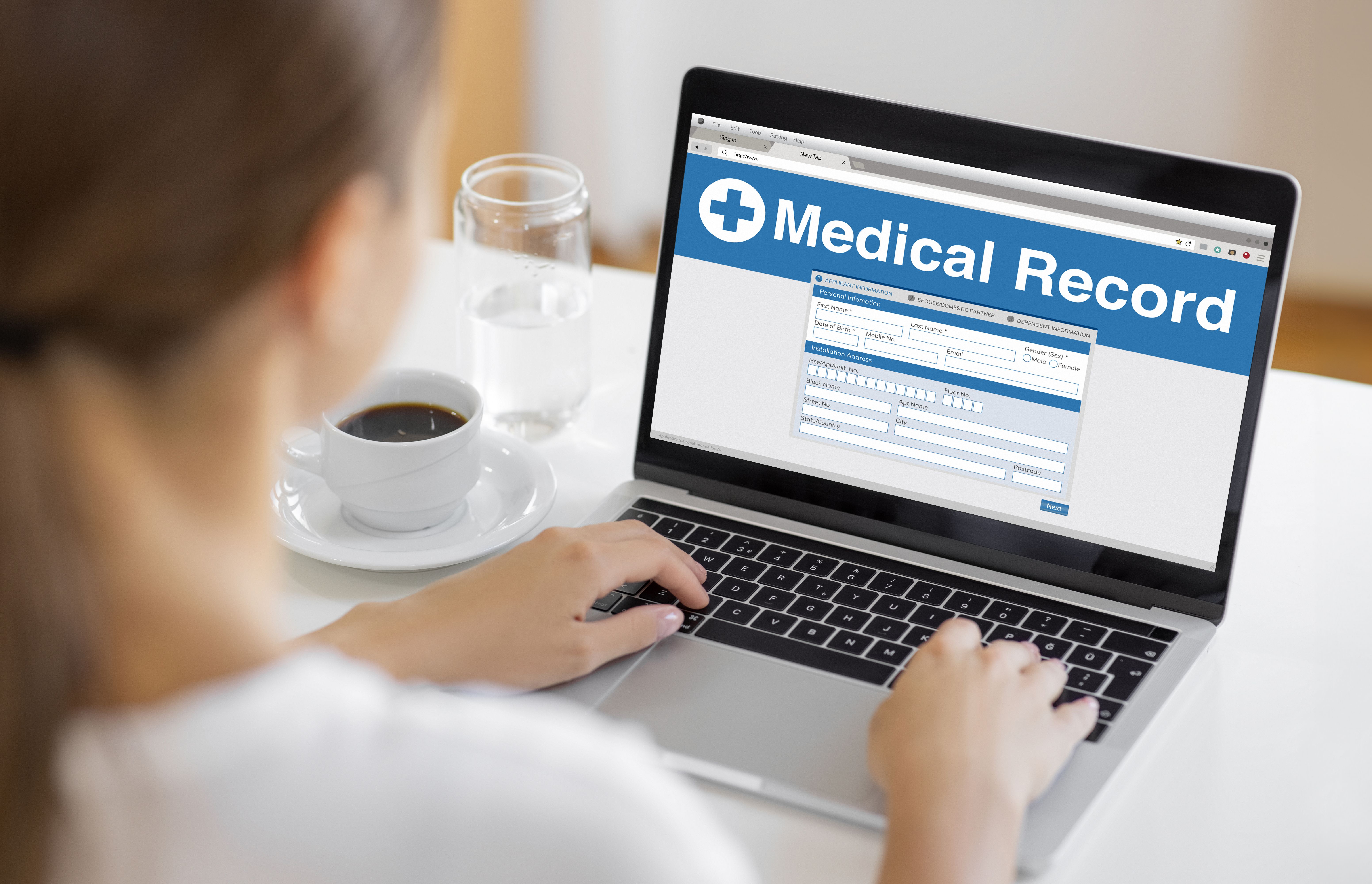
Additionally, EHR systems streamline billing processes. Accurate and comprehensive records ensure that billing is both timely and correct, reducing disputes and enhancing revenue cycle management.
Data Security and Compliance
Data security is a major concern for healthcare providers. EHR systems offer robust security features that protect sensitive patient information. With encryption and access controls, hospitals can ensure that data is only accessible to authorized personnel.
Moreover, EHR systems assist hospitals in complying with legal and regulatory requirements. By maintaining accurate and up-to-date records, healthcare providers can easily adhere to national and international standards.

Patient Engagement and Satisfaction
Engaging patients in their healthcare journey leads to better outcomes. EHR systems often come with patient portals that allow individuals to access their records, schedule appointments, and communicate with healthcare providers. This transparency fosters trust and increases patient satisfaction.
By offering patients easy access to their health information, hospitals empower them to take an active role in their care. This empowerment can lead to more proactive health management and improved patient outcomes.
Conclusion
Embracing EHR systems presents a myriad of benefits for Indian hospitals, from enhancing patient care to streamlining operations. As healthcare continues to evolve, these systems will play a pivotal role in shaping the future of medical services in India.