The Ultimate Guide to Electronic Health Records Systems: Everything You Need to Know


Introduction to Electronic Health Records Systems
Electronic Health Records (EHR) systems have revolutionized the way healthcare providers manage patient information. These digital versions of patients' paper charts are more accessible and efficient, facilitating better decision-making and improved patient care. But what exactly are EHR systems, and how do they benefit healthcare providers and patients alike?

What Are Electronic Health Records?
An Electronic Health Record is a digital collection of a patient's medical history, including diagnoses, medications, treatment plans, immunization dates, and test results. EHRs are designed to be shared across different healthcare settings, ensuring that all healthcare providers have access to the same up-to-date information.
Key Components of EHR Systems
EHR systems typically include several important components, such as:
- Patient Data Management: Storing and organizing patient information.
- Clinical Decision Support: Providing alerts and reminders for healthcare providers.
- Order Entry: Electronic prescribing and ordering of tests.
- Reporting and Analytics: Tools for tracking clinical outcomes and performance.
Benefits of EHR Systems
The implementation of EHR systems offers numerous benefits to both healthcare providers and patients. Here are some key advantages:
Improved Patient Care
EHR systems provide healthcare providers with comprehensive patient data, allowing for more accurate diagnoses and personalized treatment plans. They also reduce the risk of medical errors by ensuring that critical information is readily available.

Increased Efficiency
By digitizing patient records, EHR systems streamline administrative tasks, reduce paperwork, and minimize duplication of tests and procedures. This leads to more efficient workflows and cost savings for healthcare organizations.
Challenges in Implementing EHR Systems
Despite their benefits, EHR systems come with challenges. The initial cost of implementation, ongoing maintenance, and potential disruptions during the transition phase can be significant hurdles for healthcare providers.
Data Security Concerns
With the digitization of health records, data security becomes a major concern. Healthcare providers must ensure that sensitive patient information is protected against unauthorized access and cyber threats.
Choosing the Right EHR System
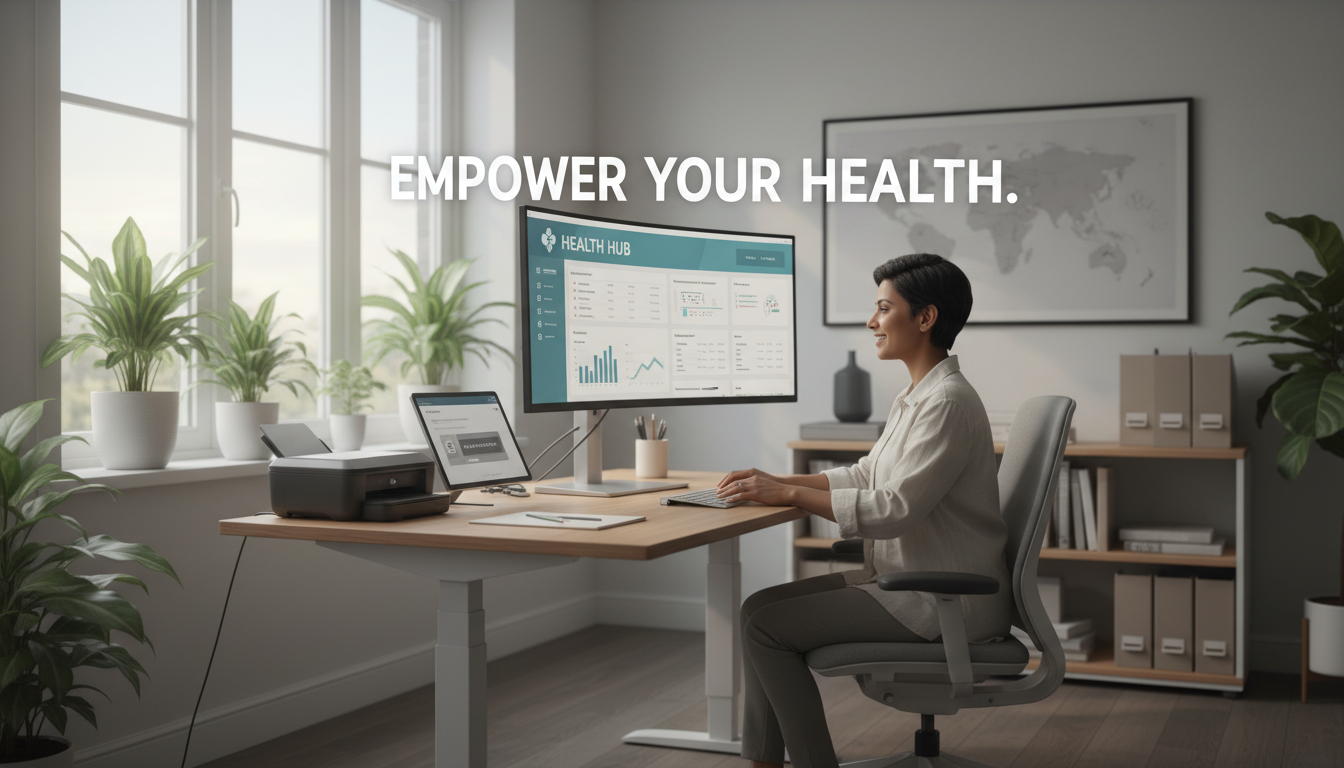
Selecting the right EHR system is crucial for maximizing benefits. Healthcare providers should consider factors like system compatibility, user-friendliness, and vendor support. Engaging with stakeholders during the selection process can help ensure that the chosen system meets the organization's specific needs.
Future of EHR Systems
The future of EHR systems looks promising, with advancements in technology leading to more integrated and intuitive systems. Innovations such as artificial intelligence and machine learning are expected to enhance data analysis capabilities, further improving patient care.
Overall, Electronic Health Records systems play a vital role in modern healthcare by enhancing efficiency, improving patient outcomes, and ensuring seamless communication across different care settings. As technology continues to evolve, the potential for EHR systems to transform healthcare will only grow.