The Ultimate Guide to Hospital Management Software: Transforming Healthcare IT


What is Hospital Management Software?
Hospital Management Software (HMS) is a comprehensive, integrated system designed to manage all aspects of a hospital's operations. From patient registration to billing, HMS streamlines processes, ensuring efficiency and accuracy. This technology is crucial in today's fast-paced healthcare environment, enabling healthcare providers to focus more on patient care.
By automating routine tasks, HMS reduces the likelihood of human error, enhances data security, and improves the overall quality of care. With its robust features, hospitals can operate more efficiently, saving time and resources.
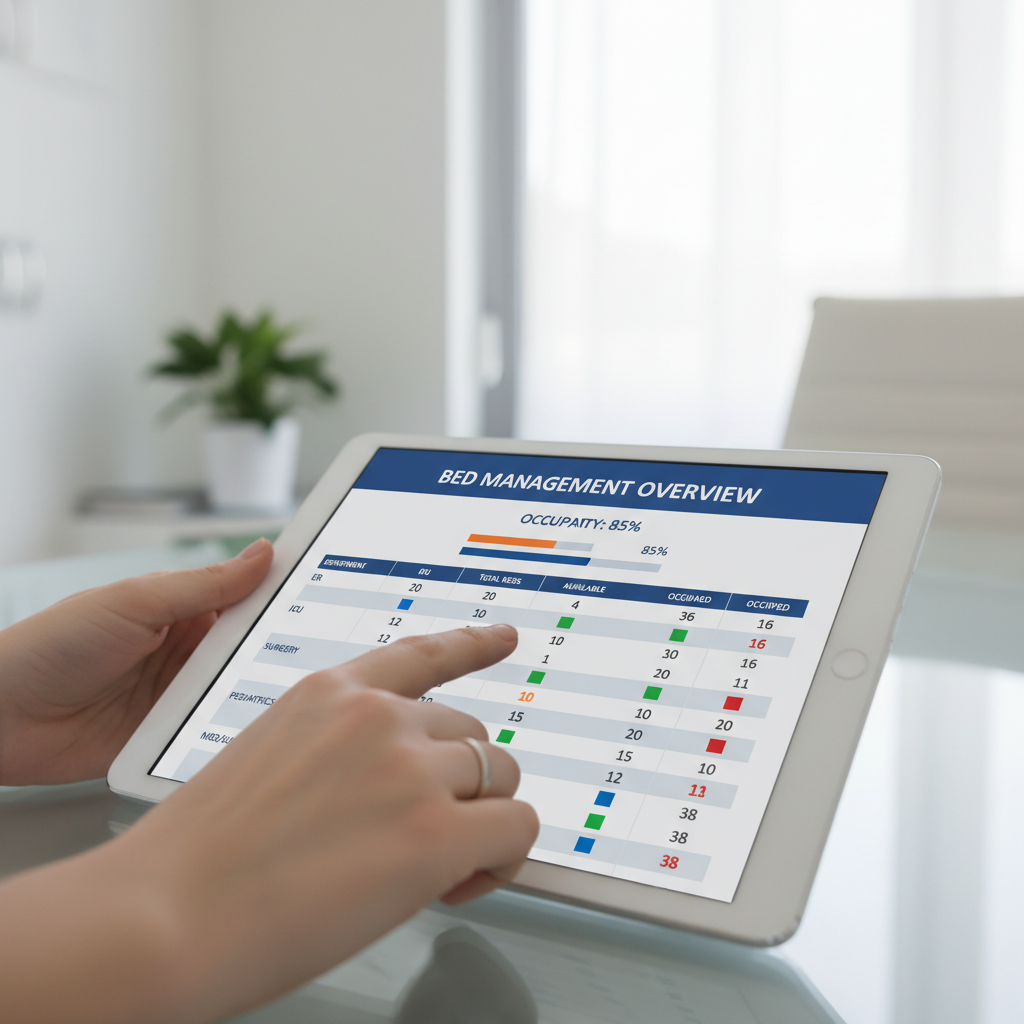
Key Features of Hospital Management Software
One of the standout features of HMS is its ability to manage patient records effortlessly. This includes electronic health records (EHR), which provide a complete view of a patient's history, treatments, and medications.
Another important feature is the scheduling module, which optimizes appointment bookings, reduces waiting times, and enhances patient satisfaction. Additionally, the billing and revenue cycle management capabilities ensure accurate and timely processing of payments.

Benefits of Implementing HMS
Implementing HMS offers numerous benefits, including improved patient care, streamlined operations, and enhanced communication among healthcare providers. By centralizing information, HMS minimizes the risk of data breaches and ensures compliance with healthcare regulations.
- Improved Patient Experience: Patients enjoy shorter wait times and more personalized care.
- Efficiency: Automating administrative tasks frees up staff to focus on patient care.
- Data-Driven Decisions: Access to real-time data helps in making informed decisions.
Challenges in Adopting HMS
Despite its many advantages, adopting HMS can present challenges. These may include high initial costs, the need for staff training, and potential resistance to change. However, with careful planning and execution, these challenges can be effectively managed.
Ensuring a smooth transition requires a strategic approach, including selecting the right software provider, involving key stakeholders in the decision-making process, and providing comprehensive training for all users.

The Future of Hospital Management Software
The future of HMS is promising, with advancements in artificial intelligence and machine learning expected to play a significant role. These technologies will further enhance predictive analytics, patient monitoring, and personalized care.
As healthcare continues to evolve, so too will the capabilities of HMS. The integration of telemedicine and remote patient monitoring will become increasingly important, pushing the boundaries of traditional healthcare delivery.
Choosing the Right Hospital Management Software
When selecting HMS, it's crucial to consider the specific needs of your hospital. Evaluate the software's scalability, user-friendliness, and compatibility with existing systems. Additionally, seek feedback from other healthcare providers who have implemented the software.
- Assess your hospital's requirements and goals.
- Research and compare different HMS providers.
- Consider the total cost of ownership, including implementation and training.
By following these steps, healthcare organizations can make informed decisions, ensuring a successful HMS implementation that transforms their operations and enhances patient care.